
A little about our farm
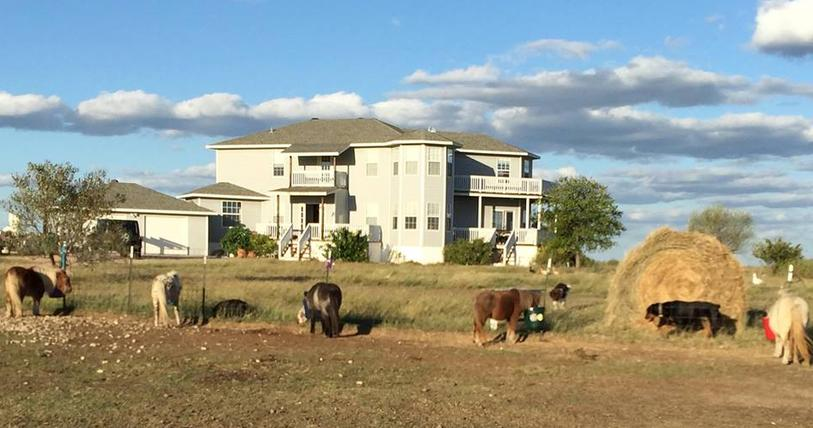
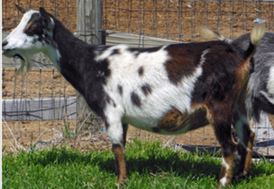
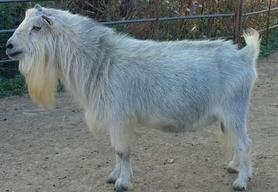
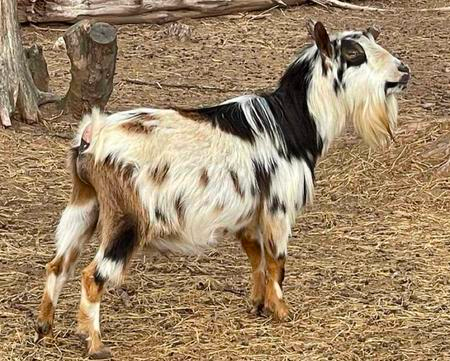
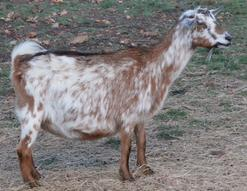
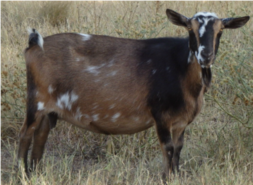
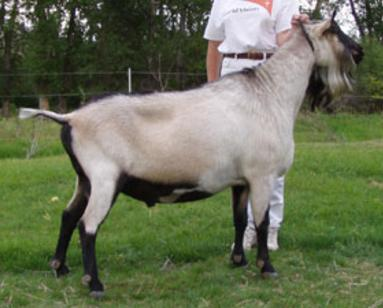
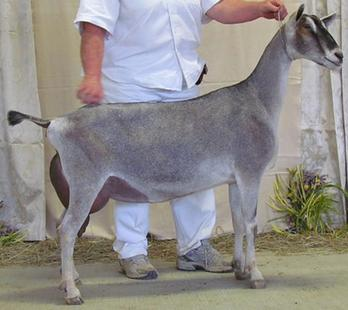
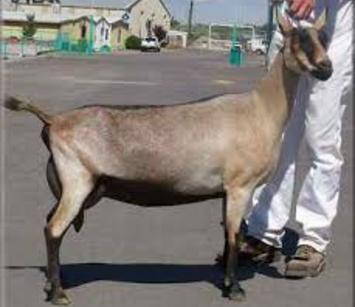
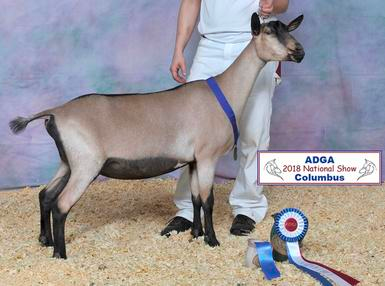
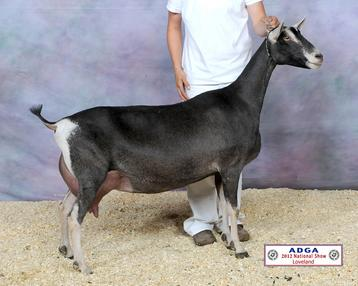
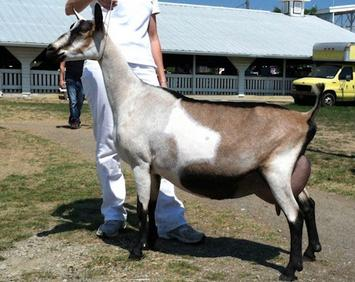
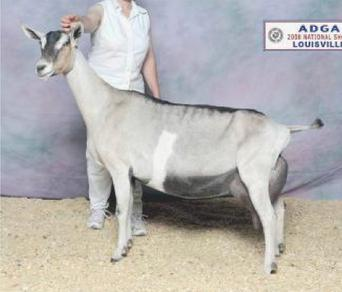
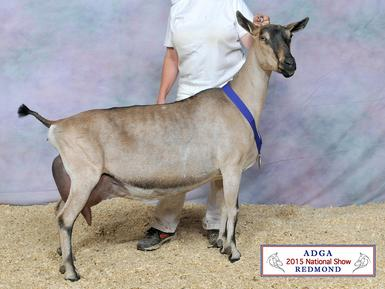
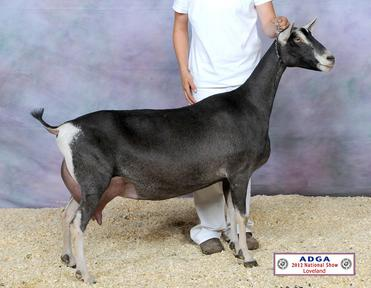
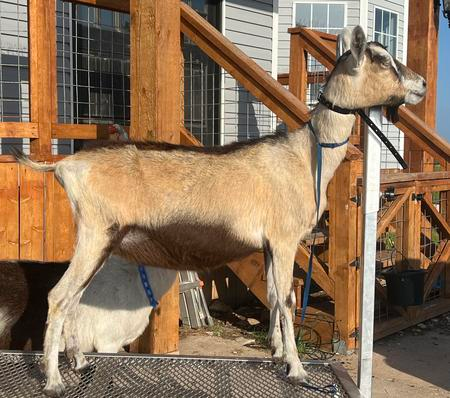
We breed for healthy, happy, friendly goats that perform in the show ring and the milk pail. We have not gotten into the show scene ourselves so most of the pictures you will see are not show clipped does in perfect stances but lazy goats spending time with their herd in the pasture. We still strive to breed for better confirmation, udders that will stand the test of time and overall health. Flashy colors and blue eyes are always a plus but never a first priority. Please take a look around our website and feel free to contact us if you have any questions. We love talking with people who enjoy these wonderful goats as much as we do!
.png)
.png)
.png)
.png)
%201.png)
.png)
.png)
.png)
.png)
.png)
.png)
.png)
_.png)
.png)
.png)
.png)
.png)
.png)
.png)
.png)
.png)
.png)
.png)
.png)
.png)
.png)
.png)
.png)
.png)
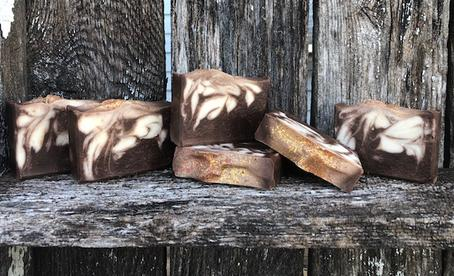
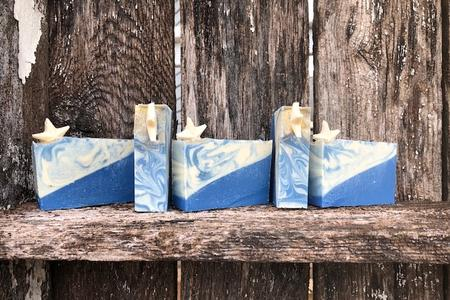
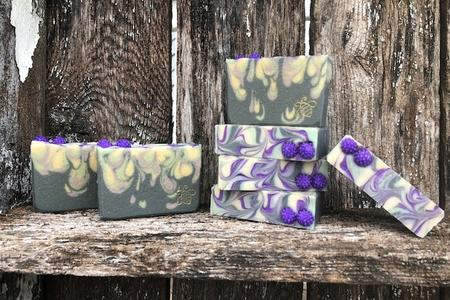
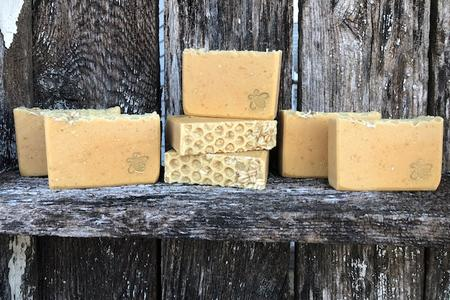
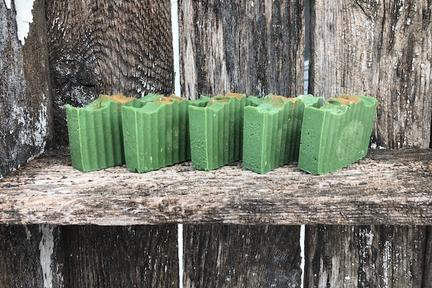
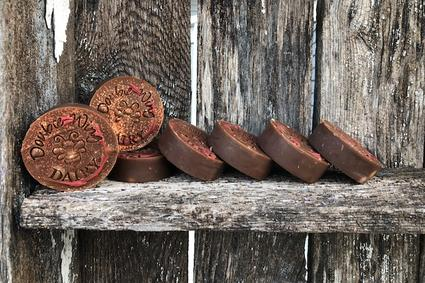
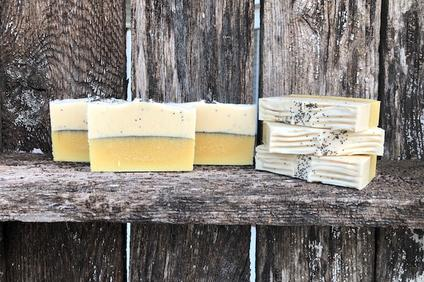
Handmade, small batch goat milk soaps, made weekly with the milk from our girls. Ingredients include coconut oil, olive oil and vitamin E. Our soaps are a harder bar that produce a generous amount of bubbles and wash away clean, leaving your skin soft and hydrated. Gentle enough for even sensitive skin. Starting in 2019 ALL our bars will now contain raw Double Wing Dairy honey and colloidal oatmeal, the skin benefits are endless and the added sugar content creates MORE lather!
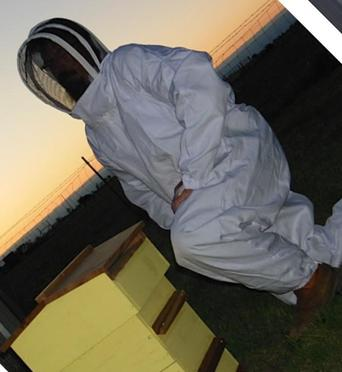
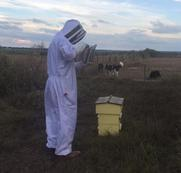
Tom the Bee Keeper
For our maiden season we chose 2 different types of hives and 2 different varieties of bees. This way we could get a feel for what we liked working with the best before adding future hives. (And to make sure they didn't scare the crap out of us!) After hours of research and taking a bee keeping class we settled on Buckfast bees for our Warre hive and Italian bees for our Langstroth hive. We were pleasantly surprised by how docile and easy to work with the varieties were. We look forward to the improved pollination they provide for our garden and orchard.
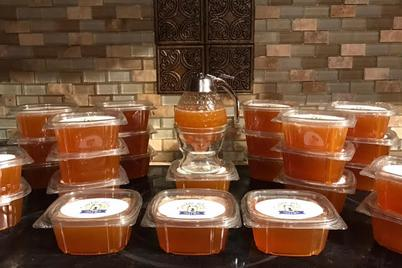
Honey available seasonally
$15 for 1 pound jar
For our maiden season we chose 2 different types of hives and 2 different varieties of bees. This way we could get a feel for what we liked working with the best before adding future hives. (And to make sure they didn't scare the crap out of us!) After hours of research and taking a bee keeping class we settled on Buckfast bees for our Warre hive and Italian bees for our Langstroth hive. We were pleasantly surprised by how docile and easy to work with the varieties were. We look forward to the improved pollination they provide for our garden and orchard.
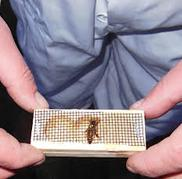
Buckfast bees and Warre hives
The Warre Hive was developed in France by Emile Warré (1867-1951). Warré developed the Hive after experimenting with over 350 hives of various designs and types. It was his goal to find a hive system that was simple, natural, economical, and bee-friendly. A Warre (pronounced war-ray) hive is simple to manage and maintain. Also known as tiered or supered top bar hives, a vertical top bar hive such as the Warre hive is friendly to the bees since they are allowed to draw out their own comb. The hive is commonly under supered which means the new hive boxes are added to the bottom and not the top of the hive. This promotes the bees natural tendency to build down ensuring a hive environment that is healthier and better suited to their own needs.
Buckfast bees were developed by Brother Adam and he derived that breed from bees that survived the Isle of Wight disease that wiped out most bees in England. Isle of Wight disease was caused by Acarapis woodii, another bee parasite that inhabits the tracheal tubes through which bees get oxygen. Buckfast bees survived well when other bees were decimated by acarine mites. Buckfast bees proved to be highly resistant to tracheal mites when those mites were introduced into the US during the early 1980s. Buckfast are genetically resistant to Varroa mites.
Italian bees and Langstroth hives
The Langstroth Hive is by far the most popular type of honey bee hive in the Northern United States and many other parts of the world. Its simple construction and standardized design make it the obvious first choice. It consists of a number of boxes, open at the top and bottom. These, containing frames, are stacked on top of each other. The deep boxes contain the brood nest, the shallow boxes hold the honey. A weather-proof roof goes on top of the stack, a floor underneath. The boxes, roof and floor are not usually fixed together by the beekeeper, although the bees use propolis to glue everything together.
Apis mellifera ligustica is the Italian bee which is a subspecies of the western honey bee. Italian bees, having been conditioned to the warmer climate of the central Mediterranean, are less able to cope with the "hard" winters and cool, wet springs of more northern latitudes. From the commercial and breeding point of view the value of the Ligustica lies in a productive combination of gentleness, fertility, reluctance to swarm, zeal for building comb, white honey-cappings, a willingness to enter supers, cleanliness, resistance to disease, and the tendency to collect flower honey rather than honey dew.